Blog
Bangladesh Garments Industry Growth: 7 Key Factors Driving Success in 2026
Bangladesh Garments Industry Growth: 7 Key Factors Driving Success in 2026
As we enter 2026, the industry’s growth is no longer powered by labor cost advantage alone. Instead, a combination of sustainability leadership, technology adoption, export diversification, workforce development, and brand evolution is driving long-term success.
At Triple, we closely monitor these changes to understand how Bangladesh’s apparel ecosystem is transforming. This article breaks down the 7 key factors driving Bangladesh garments industry growth in 2026, offering practical insight for buyers, manufacturers, entrepreneurs, investors, and fashion brands.
1. Consistent Global Demand for Bangladeshi Apparel
The strongest foundation behind Bangladesh garments industry growth is sustained global demand. Apparel remains a non-discretionary product category, and Bangladesh continues to be one of the most trusted sourcing destinations for international brands.
Bangladesh supplies garments to:
- The European Union (EU)
- United States
- United Kingdom
- Japan and South Korea
- Middle Eastern and emerging markets
Buyers rely on Bangladesh not only for volume but also for improved consistency, compliance, and production reliability. In 2026, repeat orders and long-term sourcing contracts remain a major growth catalyst.
As global fashion brands seek stable partners amid geopolitical and supply chain uncertainty, Bangladesh’s reliability strengthens its competitive position.
2. Global Leadership in Sustainable Garment Manufacturing
Sustainability has become one of the most powerful drivers of growth for the RMG industry in Bangladesh. The country currently leads the world in the number of LEED-certified green garment factories, signaling a deep commitment to environmentally responsible manufacturing.
In 2026, sustainability is no longer a brand add-on—it is a buyer requirement. Bangladeshi factories are investing heavily in:
- Water-efficient dyeing and washing technologies
- Solar and renewable energy solutions
- Organic, recycled, and traceable raw materials
- Waste reduction and circular fashion practices
This shift not only reduces environmental impact but also attracts premium buyers willing to pay more for compliant, future-ready suppliers.
3. Rapid Adoption of Technology and Industry 4.0
Technology is reshaping the apparel industry in Bangladesh at every level. By 2026, digital transformation is no longer limited to large export factories—mid-sized manufacturers are also adopting Industry 4.0 tools.
Key technologies driving growth include:
- Automated cutting and sewing systems
- AI-based quality inspection tools
- Real-time production monitoring dashboards
- Digital inventory and order management systems
These technologies reduce lead times, minimize production errors, and improve operational efficiency. Faster response times allow Bangladeshi manufacturers to meet the demands of fast-moving global fashion cycles.
Technology investment is now directly linked to export competitiveness and buyer retention.
4. Diversification Into Non-Traditional Export Markets
Another critical growth factor for the Bangladesh garment industry in 2026 is export market diversification. While the EU and USA remain dominant buyers, Bangladesh is expanding strongly into new regions.
Emerging growth markets include:
- Japan
- South Korea
- Australia
- Middle Eastern countries
- Latin America
These markets demand higher quality standards, smaller batch sizes, and refined design aesthetics. As a result, Bangladeshi manufacturers are upgrading capabilities and moving toward higher-value production.
Diversification reduces dependency risk and stabilizes long-term export growth.
5. Shift Toward Value-Added and Design-Focused Apparel
Historically known for basic garments, Bangladesh is now transitioning toward value-added and fashion-focused products. This shift is a major contributor to industry growth in 2026.
High-growth categories include:
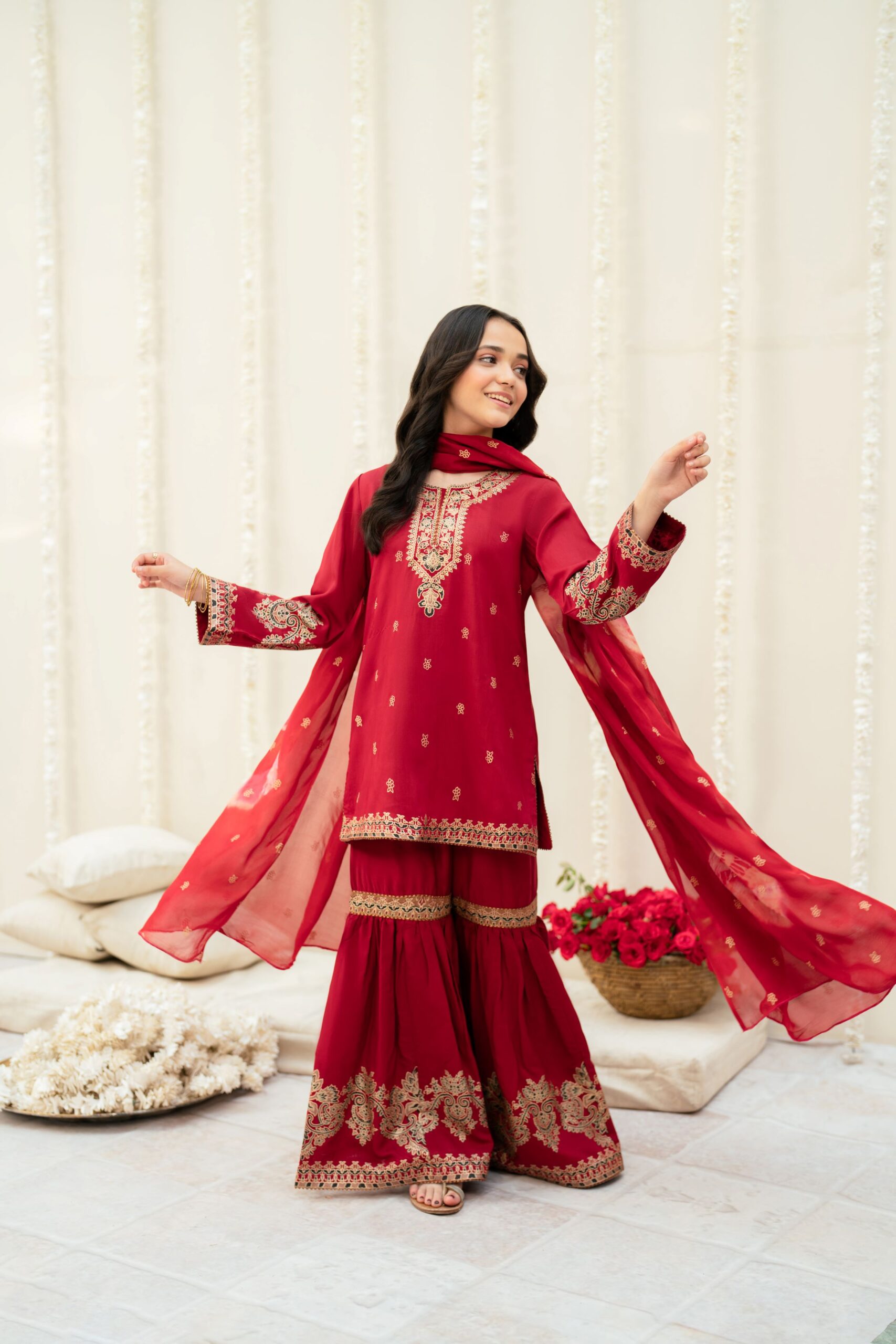
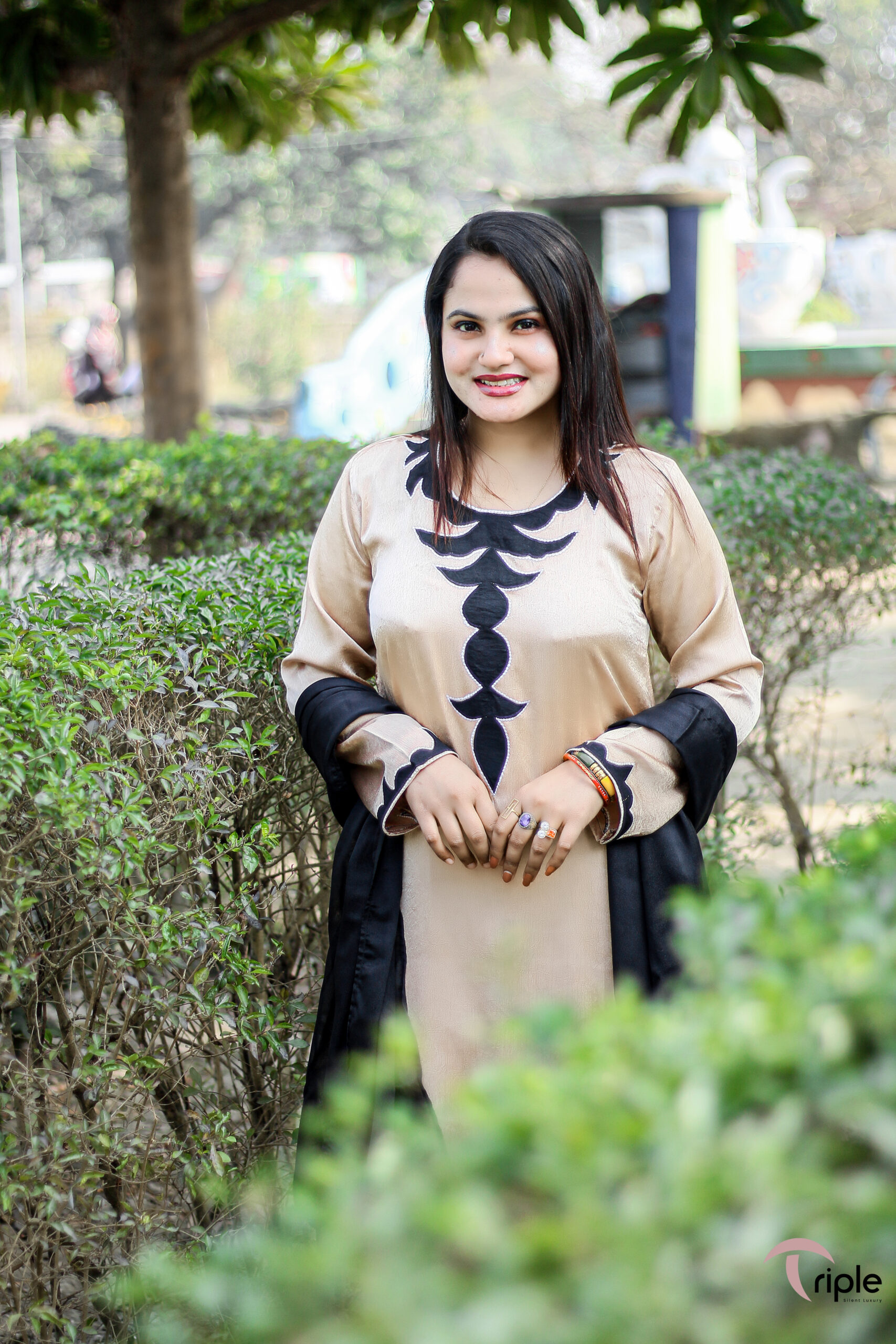
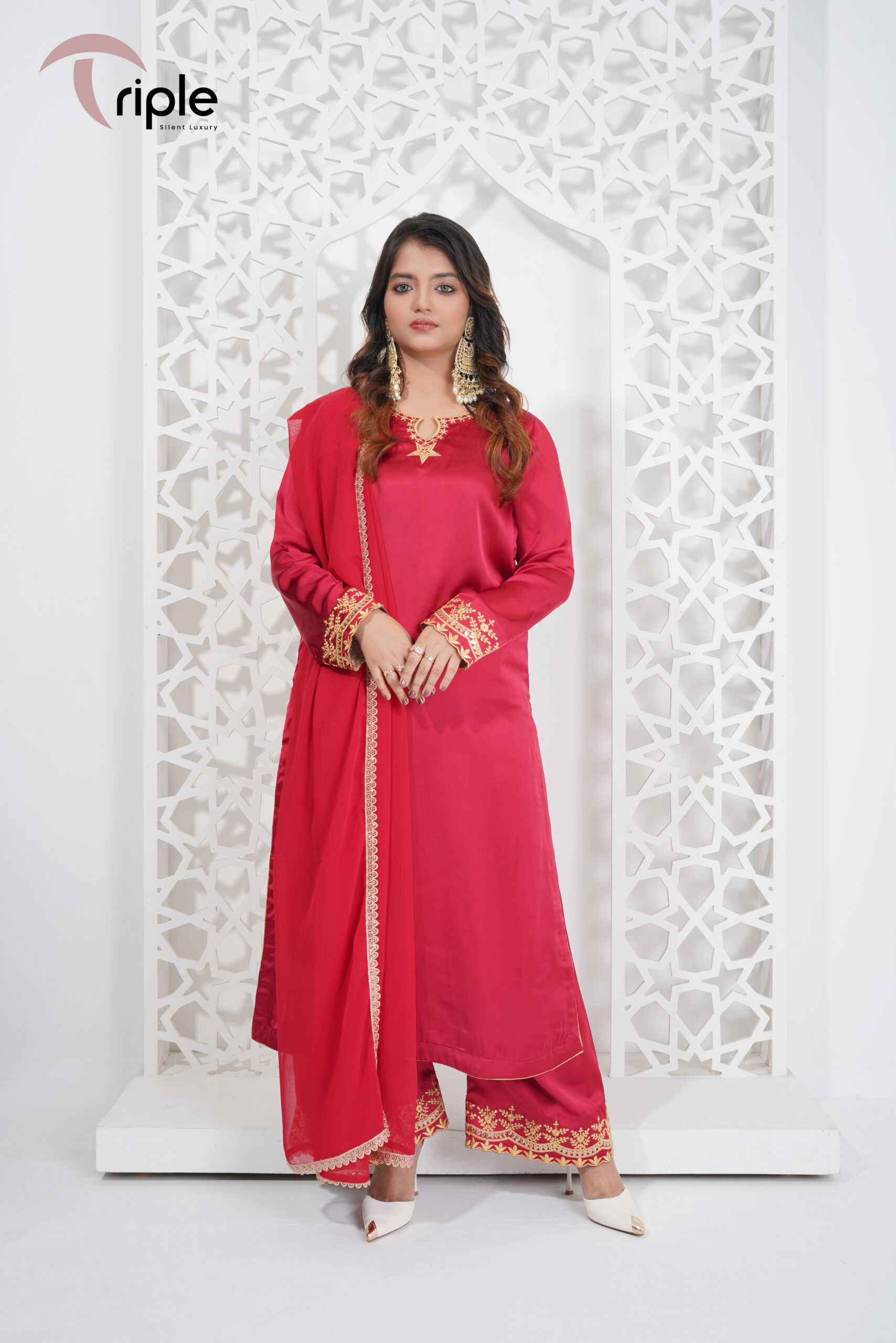
- Embroidered and embellished garments
- Premium knitwear and woven apparel
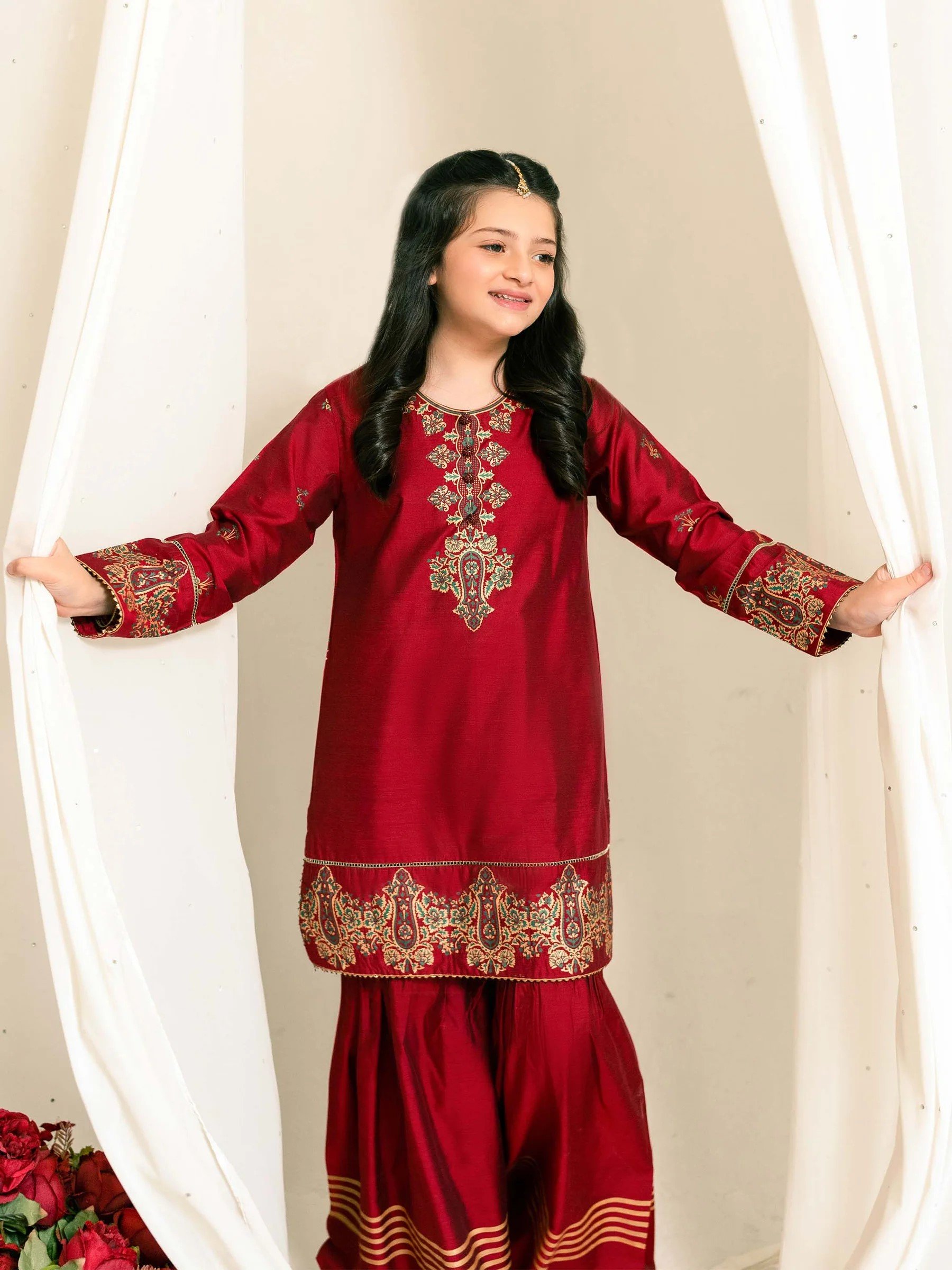
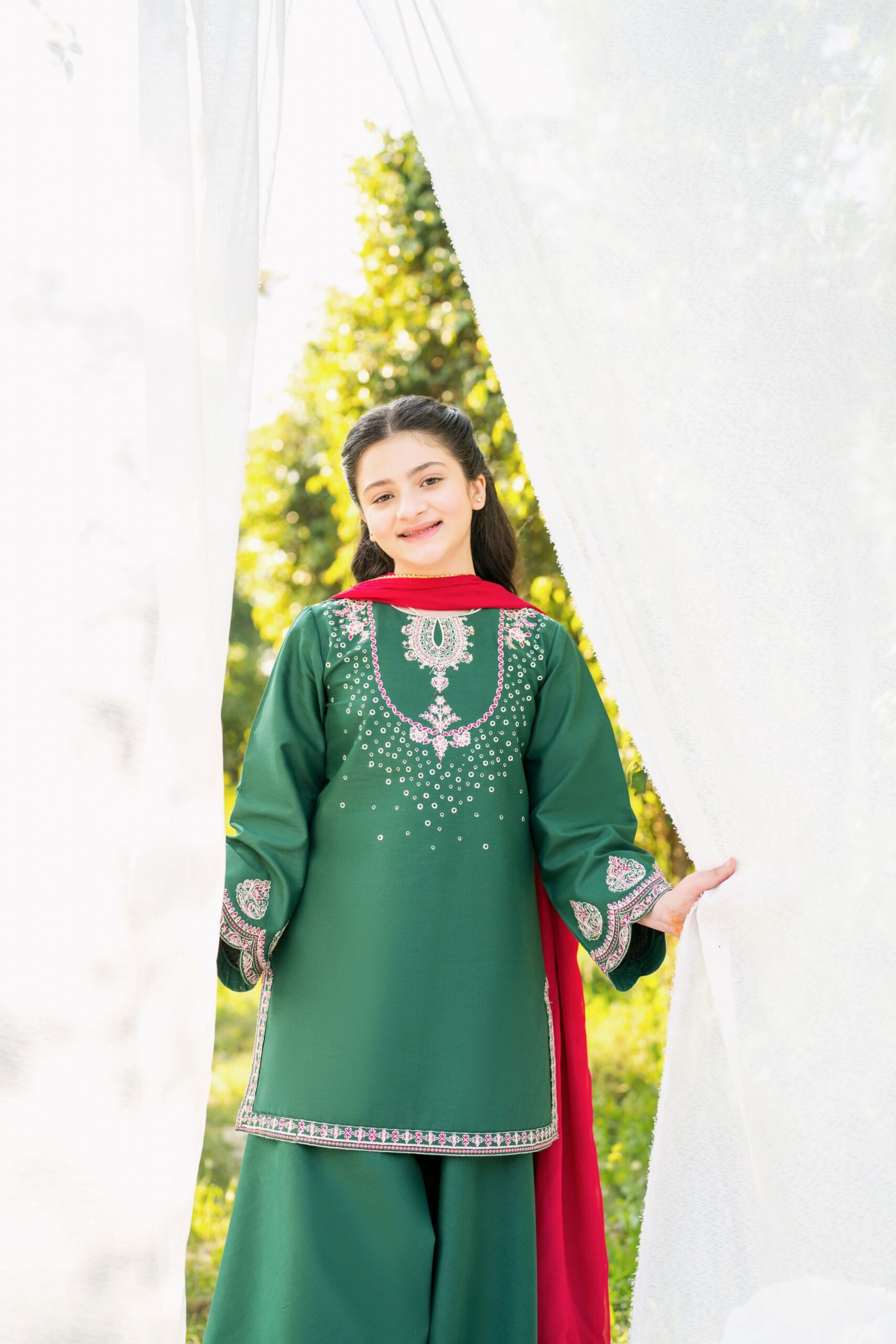
- Kidswear and modest fashion
- Athleisure and lifestyle clothing
Value-added production enables better margins, stronger buyer relationships, and long-term brand partnerships.
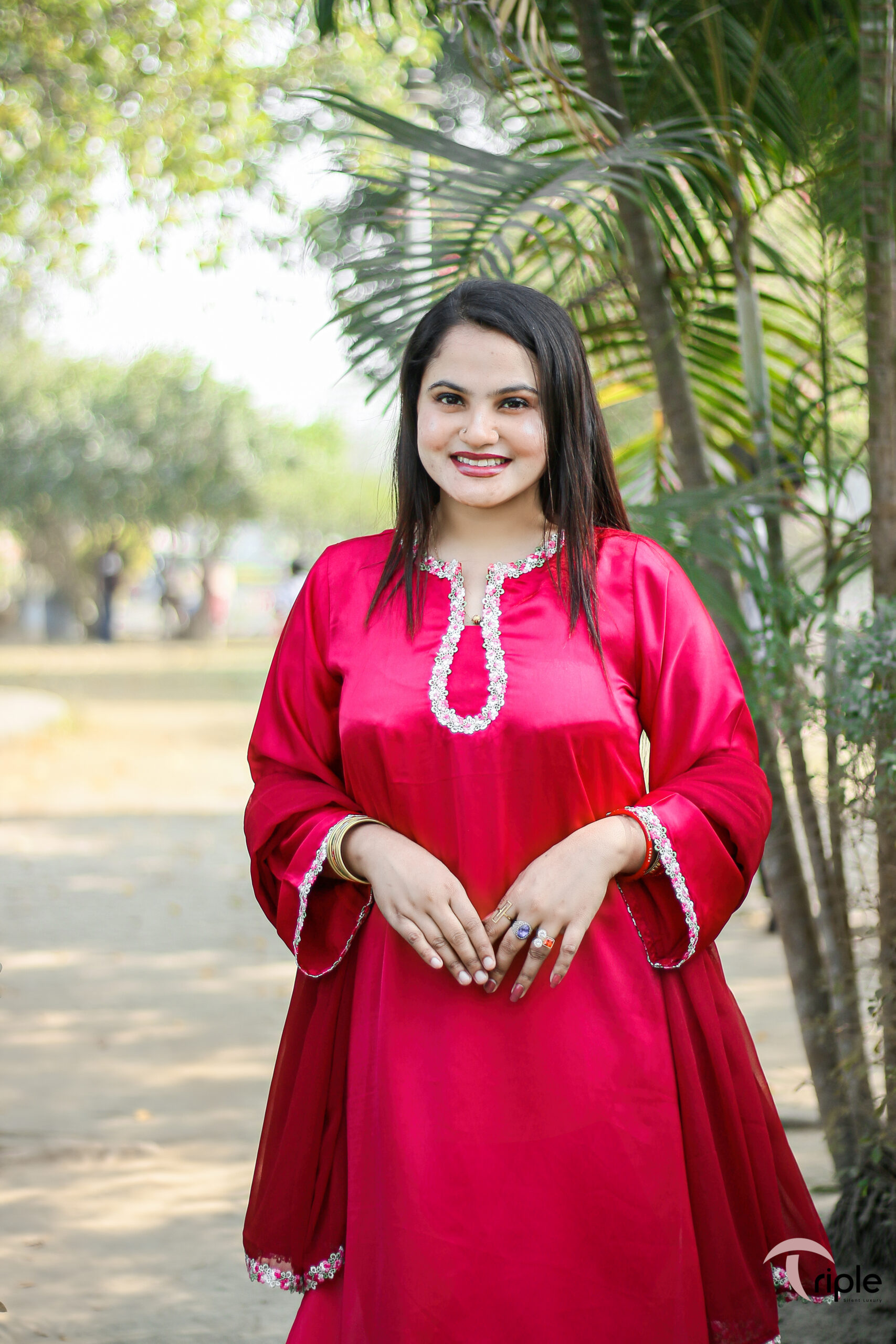
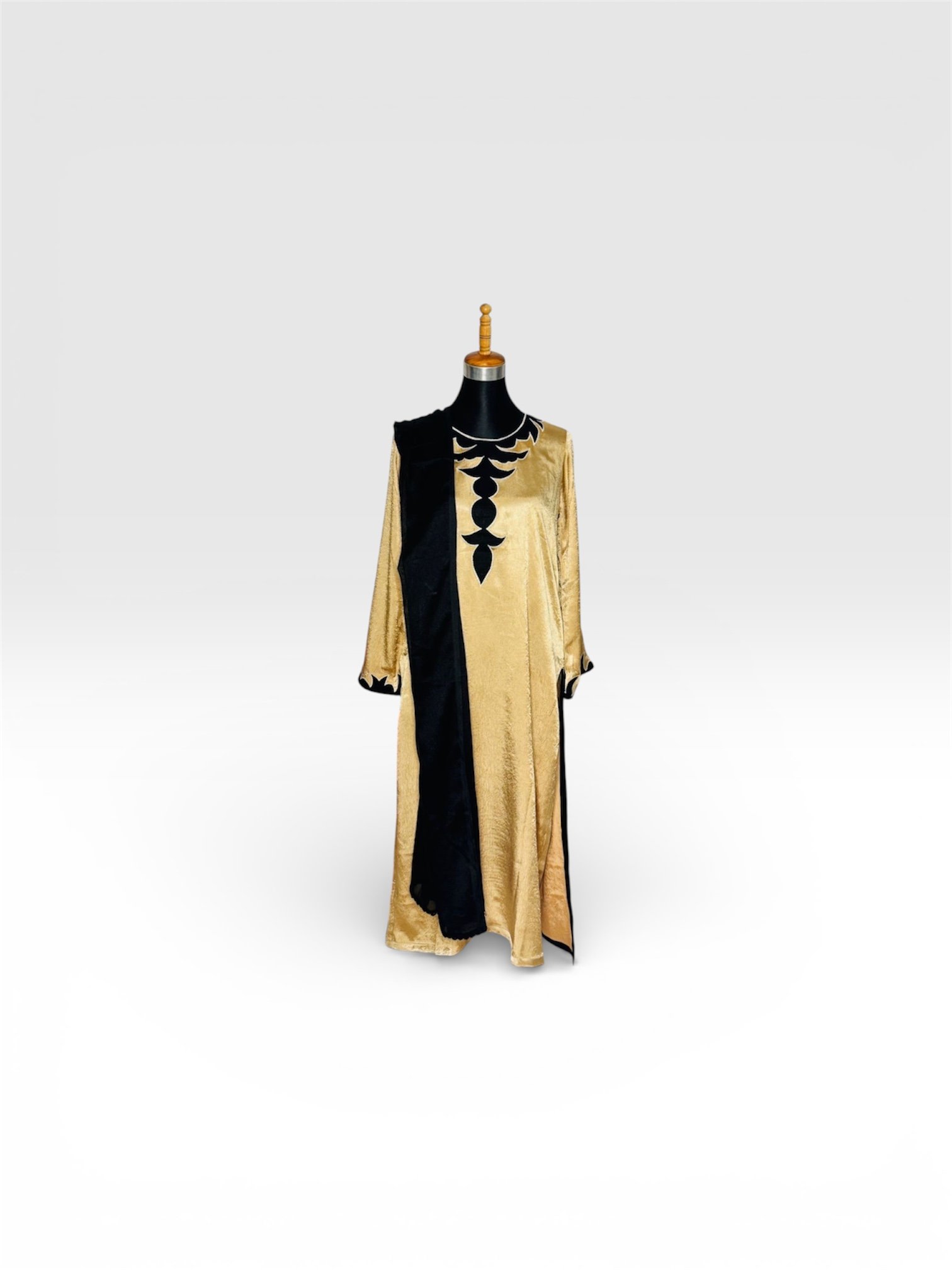
Brands such as Triple reflect this evolution by combining refined design sensibility with controlled production and quality-first execution.
6. Improved Compliance, Ethics, and Workforce Development
Compliance and workforce development continue to play a defining role in Bangladesh garments industry growth. Over the years, the sector has made significant progress in factory safety, labor rights, and operational transparency.
In 2026, buyers increasingly prioritize suppliers that invest in:
- Worker health and safety programs
- Skill development and upskilling initiatives
- Leadership and management training
- Digital literacy for factory staff
A skilled workforce improves productivity, reduces errors, and strengthens long-term compliance. Ethical manufacturing is now directly linked to export continuity and brand trust.
7. Growth of Domestic Fashion Brands and Retail Ecosystem
Beyond exports, the domestic fashion market is becoming a powerful growth engine for the Bangladesh apparel industry. Rising disposable income, urban lifestyle changes, and digital commerce adoption are fueling local demand.
Bangladeshi brands are investing in:
- Premium branding and storytelling
- E-commerce and omnichannel retail
- Social media and influencer marketing
- Customer-centric fashion experiences
This expanding domestic ecosystem supports vertical integration and creates additional revenue streams alongside exports.
Conclusion: Bangladesh Garments Industry Outlook for 2026
The Bangladesh garments industry growth in 2026 is driven by a powerful combination of global demand, sustainability leadership, technological advancement, export diversification, value-added production, ethical compliance, and domestic brand development.
With continued investment and strategic vision, Bangladesh is well-positioned to strengthen its role as a global apparel leader while moving steadily up the fashion value chain.
At Triple, we align our brand philosophy with these industry drivers—delivering fashion that meets global standards while honoring Bangladesh’s evolving manufacturing excellence.
To explore our collections and learn more about our journey, visit
www.triple.com.bd.